
Your basket is empty
How to Keep a Golf Simulator Cabin Warm and Dry in Winter
To keep a golf simulator cabin warm and dry through a UK winter, you need three things working together. Insulation in the roof and floor, a steady source of background heat, and enough ventilation to let moist air escape. An insulated golf simulator room with a small heat pump or air conditioning unit set to […]
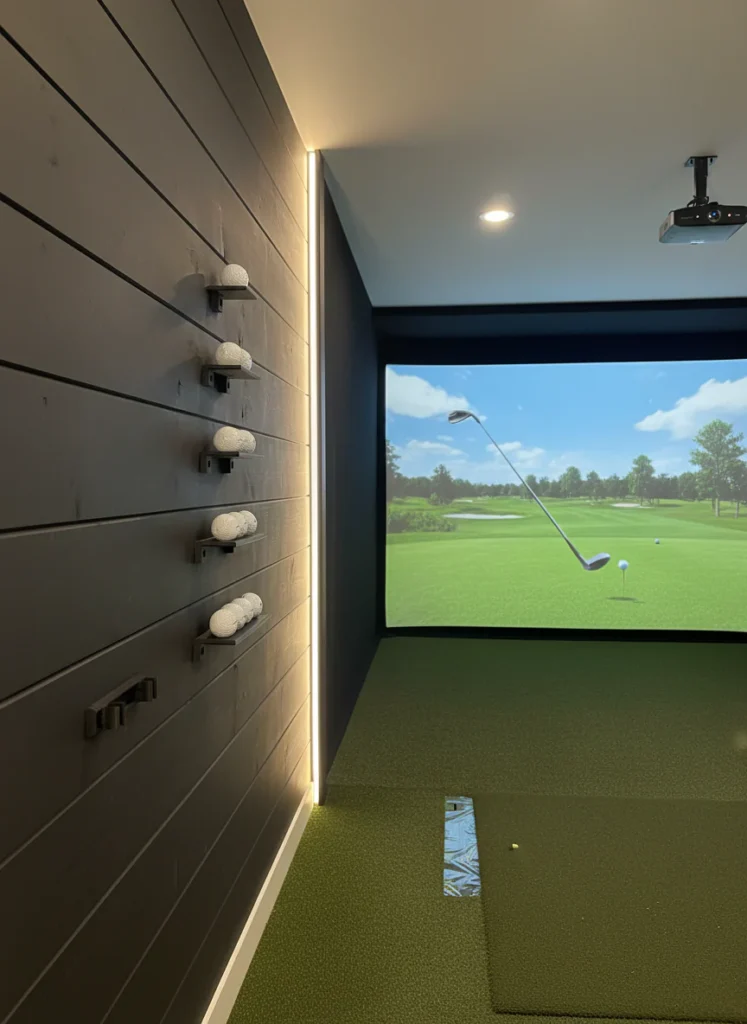
To keep a golf simulator cabin warm and dry through a UK winter, you need three things working together. Insulation in the roof and floor, a steady source of background heat, and enough ventilation to let moist air escape. An insulated golf simulator room with a small heat pump or air conditioning unit set to a low background temperature will stay comfortable to play in and protect the screen, turf and electronics from damp.
Where cabins struggle is when one of those three is missing. An uninsulated roof loses heat as fast as you add it, a room left cold all week and heated hard for an hour invites condensation, and a sealed room with no airflow traps the moisture that players breathe out. The good news is that each of these is straightforward to get right, especially if you plan it before the cabin goes up.
Why winter is hard on a garden golf room
A golf simulator cabin is a timber building at the bottom of the garden, often used for a few hours at a time and then left empty. That pattern is exactly what causes problems in cold weather. Cambridge City Council’s condensation advice explains that condensation forms when warm, moist air meets a cold surface, and that it is most common in winter because buildings are colder and windows are opened less.
In a golf room, that moisture can settle on windows, the impact screen, the turf and the inside of the walls. Left unchecked, it leads to damp smells, mould and, over time, problems with the electrics and technology. The same council guidance points to ventilation, heating and insulation as the three ways to prevent it, and those are exactly the areas to focus on in a cabin.
Start with insulation
Heat rises, so the roof is where an uninsulated cabin loses most of its warmth. Our log cabin golf dens are supplied uninsulated as standard, and on the Legend an insulated roof adds £1,987 and an insulated floor adds £756. Both are fitted during the build, which is far simpler than trying to add them once the turf and simulator are installed.
The walls do a lot of the work themselves in a solid timber cabin. Two of our 29.7m² builds, the Scholes cabin and the Harris cabin, use 68mm logs, and the Scholes room was specified with high grade insulation for year round use. The Bennett build in Berkshire is fully insulated with 44mm spruce walls.
Glazing matters too. The Harris cabin has 24mm double glazed double doors and a double glazed window, which keeps the inside surface of the glass warmer and reduces the cold spots where condensation forms first.
If you are converting a garage or spare room rather than building in the garden, our insulated panel golf dens come with insulation in the floor, walls and roof as part of the package.
Choose heating that suits how you play
Most golf rooms are used in sessions, a couple of evenings in the week and longer at weekends. The heating needs to suit that pattern.
Air conditioning features in several of our premium builds. Both the Scholes and Bennett cabins have a Mitsubishi unit installed, and on our configurator an air conditioning unit with installation is £1,700. Most modern split units work as air to air heat pumps, so the same unit warms the room in winter and cools it in summer. The MCS guide to air to air heat pumps explains how they move heat from the outside air and circulate it indoors through fan units, much like air conditioning in reverse.
In our experience, low background heat through the week works better than blasting the room warm an hour before each session because the walls, floor and screen never get cold enough for condensation to form on them. Cambridge’s guidance makes the same point, that keeping heat on at a low background level is better than heating briefly at high output.
Whatever heating you choose, avoid portable gas or paraffin heaters. The same council advice notes that every litre of fuel burned by one produces roughly a litre of water vapour, which is the last thing a simulator room needs.
Keep air moving
Ventilation is the part people forget, because opening a window in December feels like the wrong thing to do. A golf room with two or three players in it for an evening produces a surprising amount of moisture from breathing alone, and that has to go somewhere.
Practical ways to manage it include the following.
- Use the tilt setting on windows during and after a session. The Legend comes with tilt and turn timber windows, which let air in without opening the room fully.
- Run the air conditioning on a dry or dehumidify mode if your unit has one, after busy sessions.
- Keep furniture, golf bags and storage a little away from the outside walls so air can circulate behind them.
- Do not dry wet golf clothing, towels or umbrellas inside the cabin.
Protect the simulator technology
The launch monitor, projector and gaming PC are the most valuable things in the room, and they are also the most sensitive to damp. Each manufacturer publishes an operating temperature and humidity range in its user guide, and it is worth checking yours, particularly if the cabin will be left unheated for long periods.
Background heat is the best protection for the tech, because it stops the room’s surfaces dropping below the temperature at which moisture condenses. A cold projector switched on in a damp room is far more likely to have problems than one that has been sitting in a room kept steadily above freezing.
Winter also brings lower light outside, which changes how the room behaves. Lighting is the most common cause of tracking problems with launch monitors, so if you play in the late afternoon, keep blinds consistent and use the room’s own lighting rather than mixing low winter sun with spotlights. Our simulator lighting packages include a pin spotlight for ball position, so the hitting area is lit the same way every session.
Look after the building itself
A few simple checks at the start of winter will keep the cabin in good shape.
- Clear leaves from the roof and gutters so water drains away from the walls.
- Check the ground around the base drains well and that soil or planting is not piled against the bottom logs.
- Look over the exterior treatment for any bare patches, especially on the side facing the prevailing weather.
- Make sure doors and windows close tightly and the seals are intact.
If your power runs to the cabin on an outdoor supply, it is also worth checking that heaters and dehumidifiers are plugged into sockets with RCD protection. NICEIC advises that all outdoor socket outlets should be RCD protected.
Planning a cabin for year round use
From working with clients across the country, from Bournemouth to Greater Manchester, we’ve found that year round use is now a common part of the brief. The Scholes, Harris and Smith cabins were all designed to be used through every season. The Davies cabin in Lancashire was also designed specifically as a premium garden cabin for year round use. If you are still planning your build, adding roof and floor insulation and an air conditioning unit to the order costs far less than retrofitting them later.
Summary
A golf simulator cabin stays warm and dry in winter when it is insulated in the roof and floor, kept at a low background temperature rather than heated in short bursts, and ventilated so moisture can escape. Air conditioning that works as a heat pump covers heating and cooling in one unit, and steady warmth is the best protection for the screen, turf and technology.
If you are planning a cabin you want to use all year, TEKDEN can help you choose the right insulation, glazing and heating for your space, and you can see a finished room at our Hampshire showroom. You can add insulation, air conditioning and the rest of your spec when you configure a cabin on our turnkey golf dens page. Contact us to book a free consultation.
More Tekden Guides
Keep planning your simulator room.

How Long Does It Take to Build a Golf Simulator Cabin
Building and fitting out a golf simulator cabin on site usually takes about a week, but the whole project from…
Read guide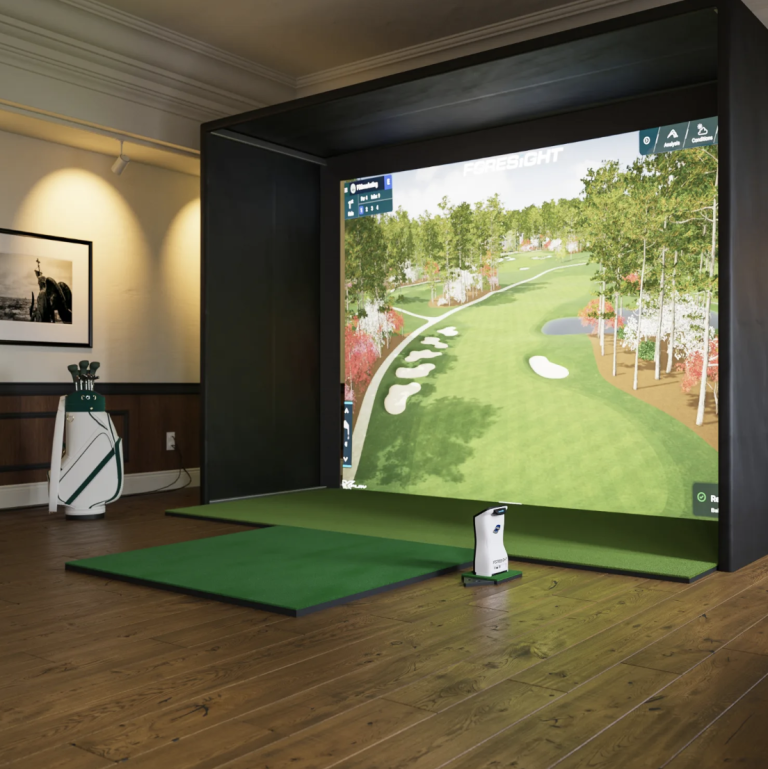
How Much Does a Golf Simulator Cabin Cost in the UK
A golf simulator cabin in the UK usually costs somewhere between £10,000 and £70,000, depending on the size of the…
Read guide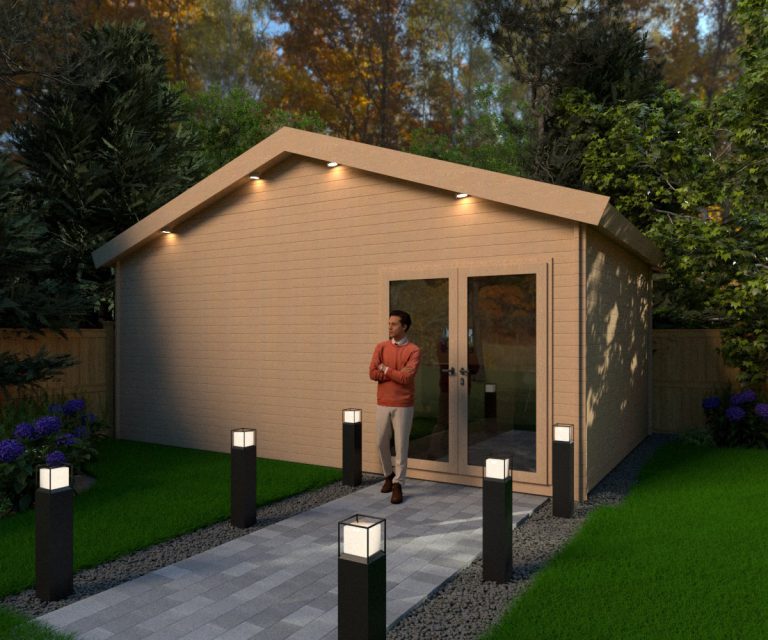
Golf Simulator Garden Room UK | Purpose-Built Golf Dens
What to consider when planning a purpose-built garden room for a golf simulator, from cabin structure to comfort, insulation and…
Read guide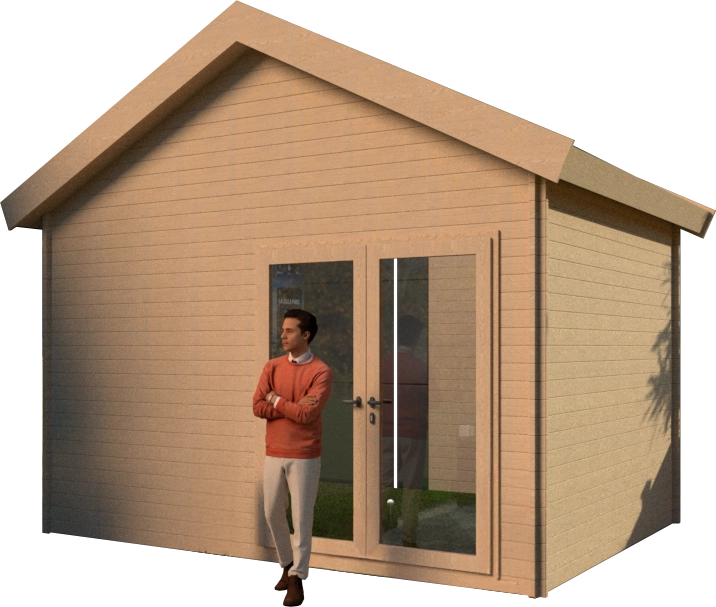
Golf Simulators UK | Complete Home Golf Simulator Solutions
A complete UK guide to golf simulators, including room types, core equipment, cabin options and the decisions that shape the…
Read guide
Golf Simulator for Home UK | Complete Home Setup Guide
A home golf simulator planning guide covering budget, room choice, launch monitor options, screens, projectors and setup decisions.
Read guide
Golf Simulator Room Ideas, Sizes & Setup Guide UK
Room sizing, layout and setup advice for planning a golf simulator space that works safely and comfortably.
Read guide Indoor Golf Simulator UK | Home Golf Simulation Systems
A guide to indoor golf simulator options for spare rooms, garages, cabins and dedicated studio spaces.
Read guide Log Cabins for Sale UK: Premium Garden Cabins
A practical guide to choosing a log cabin for golf simulators, garden offices, leisure rooms and year-round space at home.
Read guide